
ASTM D6671 Interlaminar Fracture Toughness Fixture | Advancing Precision in Composite Material Analysis
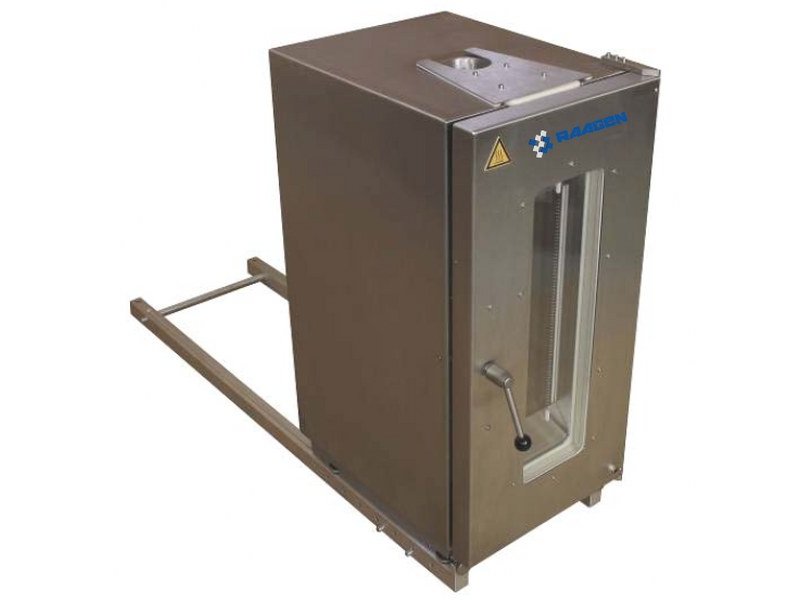
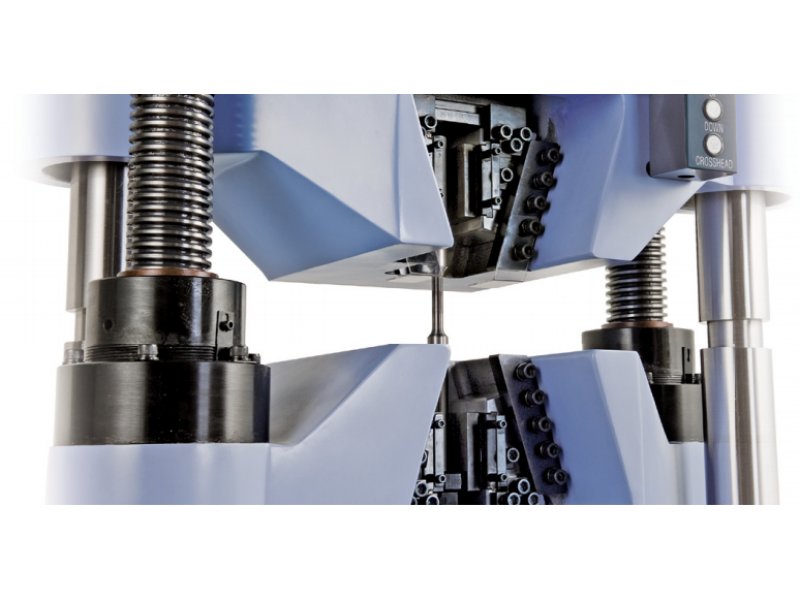
Journey into the intricate world of composite materials with the meticulously designed ASTM D6671 Interlaminar Fracture Toughness Fixture by Raagen. Crafted to enhance the evaluation of crack resistance within fiber-reinforced polymer matrix composites, this fixture stands as a cornerstone of meticulous materials testing.
Pathway to In-Depth Insight into Composite Materials
Unravel the complexities of interlaminar fracture toughness guided by the fundamental principles of ASTM D6671. A guiding light in understanding crack resistance within composite materials, this pivotal standard finds practical form through Raagen's innovative fixture. Replicating real-world conditions with precision, it offers insights of unparalleled accuracy.
Mechanics Behind the Fixture Operation
Uncover the mechanics of the Interlaminar Fracture Toughness Fixture, purposefully engineered to emulate crack propagation within composite layers. Achieving this emulation through controlled loading mechanisms, the analysis of critical stress intensity factors (KIC) exposes a material's intrinsic ability to withstand delamination and crack propagation.
Reliable Insights Through Essential Components
- Loading Mechanism: Carefully orchestrated profiles that foster controlled crack growth.
- Sample Holder: A secure platform ensuring exact crack propagation positioning.
- Notch Configuration: Meticulously crafted notches that initiate controlled crack formation.
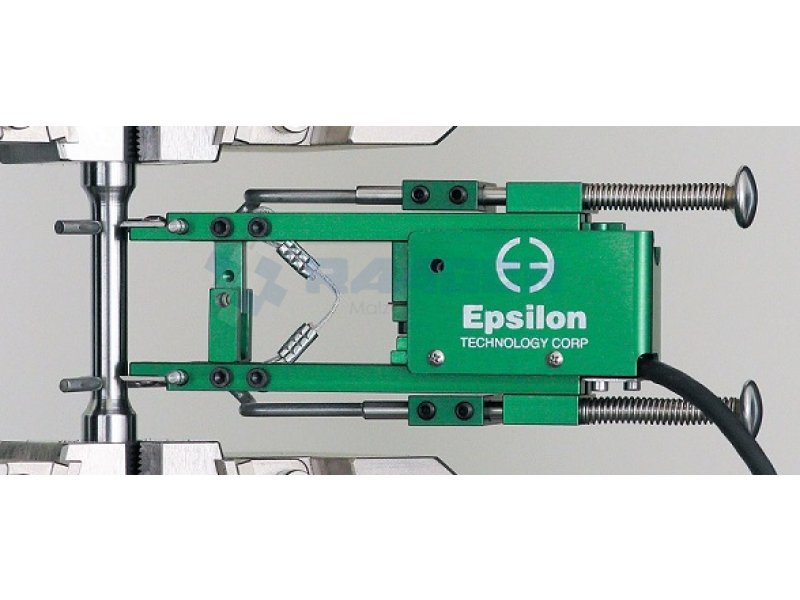
- Data Acquisition: Real-time capture of crack length data enriching our grasp of fracture behavior intricacies.
Raagen's Expertise in Practical Application
A heritage refined through years of testing fixture refinement, our expertise harmonizes seamlessly with industry standards. Opting for Raagen's fixture promises dependable fracture toughness assessments.
Enhanced Precision for Practical Insights
Choosing an interlaminar fracture toughness fixture transcends mechanics—it embodies a paradigm of precision. Raagen's meticulously engineered fixture enhances authenticity, forging a dependable path through the intricate landscape of composite materials.
Elevating Material Evaluation through Practical Innovation
Exploring the ASTM D6671 Interlaminar Fracture Toughness testing process involves meticulous specimen preparation. Presented here is a snapshot of this process:
-
Material Selection: Choose a composite material suited for the intended applications and testing requisites, reflective of the composite structure under scrutiny.
-
Specimen Dimensions: Adhere to ASTM D6671 guidelines for precise specimen dimension specifics. These encompass length, width, and thickness, accommodating variations that align with the composite's nature and testing methodology.
-
Cutting Specimens: Use precision cutting tools to fashion specimens mirroring the prescribed dimensions.
-
Notch Preparation: Cultivate controlled initiation sites for fractures through precise machining, setting the stage for stress concentration and crack propagation.
-
Surface Preparation: Thoroughly cleanse specimen surfaces, ensuring optimal conditions for adhesive bonding.
-
Adhesive Application: Establish strong bonds between specimens and testing fixtures using adhesives characterized by compatibility and strength.
-
Curing and Conditioning: Adhere to recommended adhesive curing parameters, followed by meticulous conditioning to ensure consistent moisture and temperature.
-
Testing Setup: Position conditioned specimens on fixtures, upholding the fidelity of ASTM D6671's loading conditions.
-
Testing: Execute the test in alignment with ASTM D6671, meticulously tracking crack growth and load-displacement data.
-
Data Analysis: Interrogate data to derive interlaminar fracture toughness values (e.g., the critical stress intensity factor, KIC), comparing outcomes with acceptance criteria to illuminate material behavior under fracture conditions.
Please note, procedural adaptability in response to material variations, equipment specifics, and standard versions emphasizes the necessity of adhering to the latest standard for precision.
A Unique Perspective: Laminates and Initiation Sites
Within this comprehensive framework, specific directives emerge:
-
Test Samples: Test laminates must contain an even number of plies and adhere to a unidirectional orientation. This design fosters controlled delamination growth exclusively along the 0° direction.
-
Adhesive Insert at the Core: An adhesive insert discreetly finds its place at the laminate's midplane during layup, materializing as an initiation site for delamination (see Fig. 6 and Fig. 7). Notably, this insert's film thickness is capped at 13 μm [0.0005 in.]. Notably, specimens remain pristine, devoid of precracking.
Delve Deeper: For Further Information
For a more profound understanding, addressing inquiries, or venturing into exploration, allow Raagen to be your guide in the domain of materials testing. Engage with us directly, and embark on a journey of knowledge and inquiry—[Contact Information].
For more information about Raagen Test Fixtures, Contact Us.